Some gardens are built with a single theme, like a pollinator garden or plants of a particular color scheme. Other gardens are built for a specific use or activity to happen there, like outdoor dining or bird watching. A sensory garden will pull together multiple aspects by its very nature; to allow the five senses each to have their moment of celebration.
Sensory gardens are for everyone and we can use them as opportunities to engage our senses and enhance our feeling of being alive and with the natural world.
Laura will share information about sensory gardens in our community and beyond, what elements to include in building your own as well as the opportunity all gardens, and even natural spaces provide to engage our senses and enhance our quality of life.
This talk will pull inspiration from the many gardens Laura has visited as well as worked in over the course of her 20+ years in horticulture, as well as multiple sources from writers, poets, artists and other gardeners.
Laura’s interests and background in studying nature, plants, and gardening, go back to her studies at Warren Wilson College and then onto her agricultural apprenticeship in the UK in 2003-2005. Through the last 15 years of helping her family with Thyme in the Garden, she has also sought time to build her own artistic and horticultural practice, with managing a community garden and creating journals, drawings and paintings focused on plant growth and cycles.This talk is very connected to what motivated Laura to get involved with gardening in the first place; a drive to learn and connect in a more intimate way to the natural world. It is an ambition to inspire others to do the same!
**Email gardenclubweaverville@gmail.com if you are not a Club member and would like to join this Zoom Meeting
The Garden Club of Weaverville is a co-ed, non-profit organization open to everyone. For more information on what we do, becoming a member or supporting the club visit our website.
We hope you will join The Garden Club of Weaverville for Our Upcoming Monthly Meetings – on the 2nd Tuesdays at 9:30
Program planning for our 2021 – 2022 season (that begins in September) is underway! – Members and prospective members are encouraged to submit ideas for topics and speakers.
* September 14 – Sensory Gardens – Laura Carter of Thyme in the Garden
* October 12 – Creating Native Plant “Meadows” in Various Landscape Settings – Pat Sommers of Natural Selections Nursery
The Garden Club of Weaverville is a co-ed, non-profit organization open to everyone. For more information on what we do, becoming a member or supporting the club visit our website.
We hope you will join The Garden Club of Weaverville for Our May Meeting
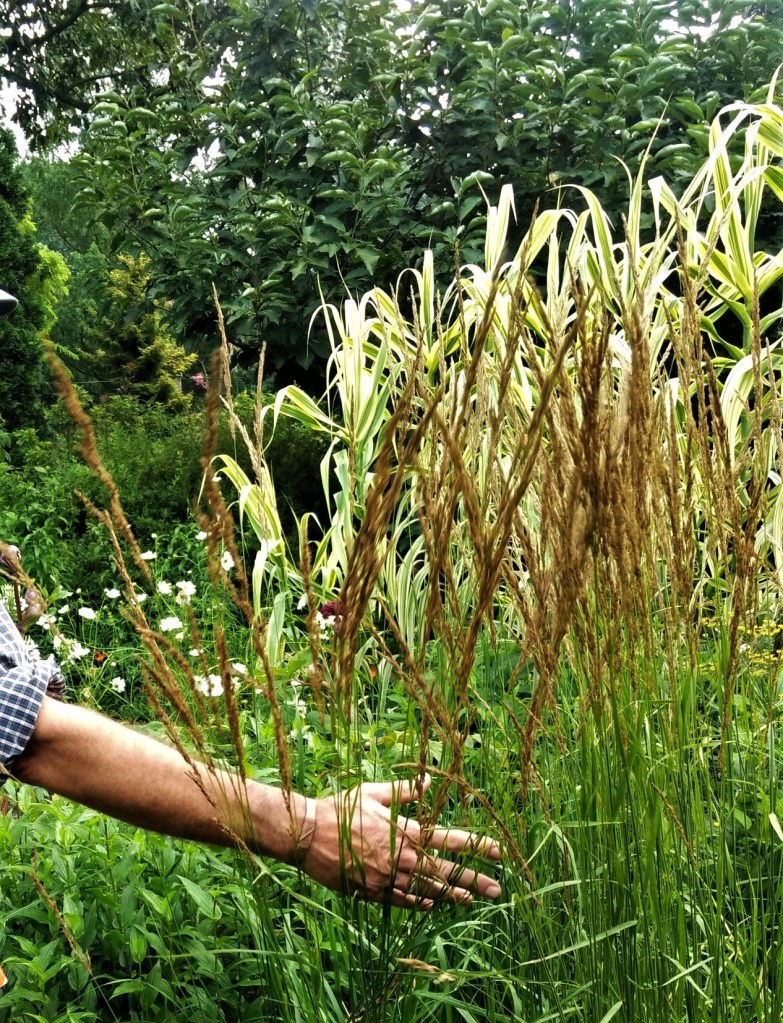
Program: Using Grasses and Grass-like Plants in the Landscape
Tuesday, May 11 at 9:30 am
via Zoom [Email us at gardenclubweaverville@gmail.com if you are not a member & would like to join the Zoom meeting]
Nancy Duffy will share her insights and expertise regarding using grasses and grass-like plants in the landscape. Specific focus areas include:
Different types of grass-like plants – Sedges have edges
Why grasses are valuable components of a landscape
How to design with grasses from natural meadows to highly stylized compositions
Specific grasses for various garden situations
Basics of planting and maintaining grasses
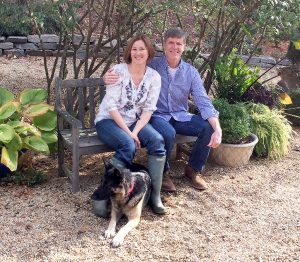
Nancy Duffy is the owner of Muddy Boots Garden Design and has been designing gardens in WNC for nearly 20 years. She is a trained horticulturalist and enjoys creating gardens that suit each person for whom she designs. Inspired by Piet Oudolf, Nancy designed her first meadow garden in 2011 and never looked back. Her current and largest project is the design of a quarter-mile long urban meadow at Camp North End in Charlotte, NC. She shares her personal four-acre garden, Acorn Hill, with her husband Dennis, their German Shepherd Dog Gidget and cats Lily and Margo.
The Garden Club of Weaverville is a co-ed, non-profit organization open to everyone. For more information on what we do, becoming a member or supporting the club visit our website.
We hope you will join The Garden Club of Weaverville for Our April Meeting
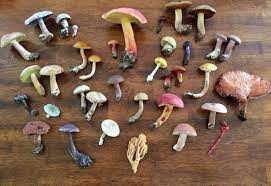
Program – Mushrooms: Our Biological Allies
Tuesday, April 13 at 9:30 am
via Zoom [Email us at gardenclubweaverville@gmail.com if you are not a member & would like to join the Zoom meeting]
Learn everything from recycling and composting household items using fungi to bioremediating oil spills and toxic waste with native mushrooms. Tradd Cotter from Mushroom Mountain will delve deeper into the fungal kingdom than ever before, describing new research with medicinal compounds and remarkable new applications for fungi in agriculture, medicine, and bioremediation.
Tradd Cotter is a microbiologist, professional mycologist, and organic gardener, who has been tissue culturing, collecting native fungi in the Southeast, and cultivating both commercially and experimentally for more than twenty-two years. His primary interest is in low-tech and no-tech cultivation strategies so that anyone can grow mushrooms on just about anything, anywhere in the world.
In 1996 he founded Mushroom Mountain to explore applications for mushrooms in various industries and currently maintains over 300 species of fungi for food production, mycoremediation of environmental pollutants, and natural alternatives to chemical pesticides. In 2014, Tradd completed and published the best-selling book Organic Mushroom Farming and Mycoremediation.
The Garden Club of Weaverville is a co-ed, non-profit organization open to everyone. For more information on what we do, becoming a member or supporting the club visit our website.



 The Garden Club of Weaverville, NC